
What is Myopia?
Myopia, also called nearsightedness, is a common eye condition. People with myopia can see nearby objects clearly. However, things far away look blurry. This happens because light focuses in front of the retina, not on it. Myopia affects both children and adults. According to the World Health Organization, myopia rates are rising worldwide. Early detection and care are important for healthy vision.
Common Symptoms of Myopia
Recognizing myopia symptoms early can help you get the right care. Some signs are easy to notice. For example, you may squint to see distant objects. Or, you might move closer to the TV or board. Other symptoms include:
If you notice these myopia symptoms, it is wise to visit an eye doctor soon.
Causes and Risk Factors
Myopia develops when the eyeball is too long or the cornea is too curved. As a result, light does not focus correctly. Several factors can increase your risk. For instance, genetics play a big role. If your parents have myopia, you are more likely to get it too. Other risk factors include:
While you cannot change your genes, you can manage some risk factors with healthy habits.
How Myopia is Diagnosed
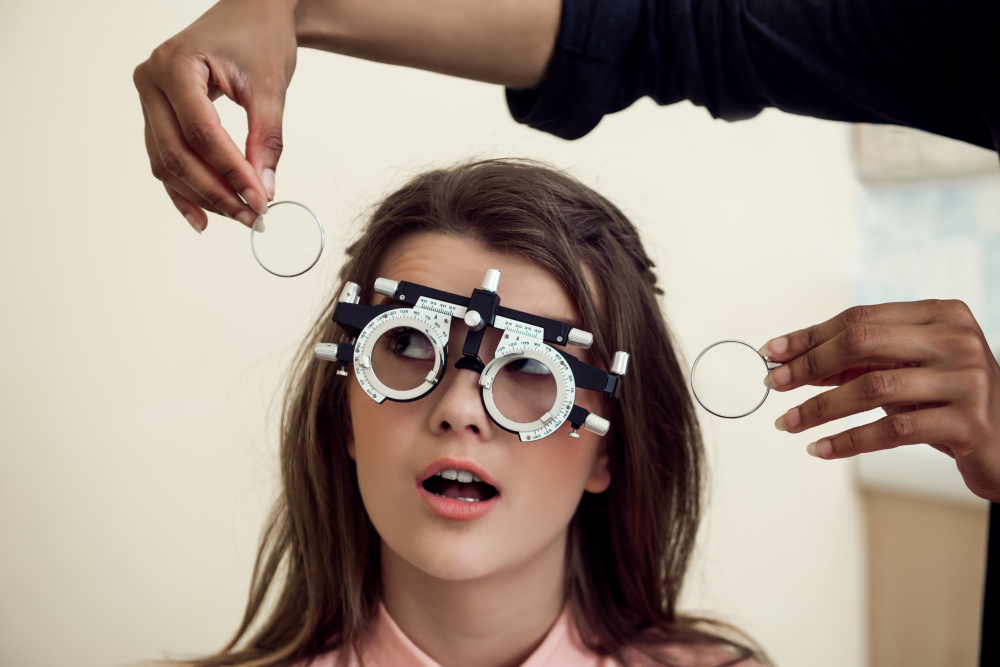
Eye doctors use simple tests to diagnose myopia. First, they ask about your vision and symptoms. Next, they perform a vision test using an eye chart. This helps measure how well you see at different distances. Sometimes, doctors use special tools to check the shape of your eye. They may also use drops to widen your pupils for a better look. Early diagnosis helps prevent further vision problems.
Treatment Options for Myopia
There are several myopia treatment options available. Your doctor will suggest the best one for you. Common treatments include:
For children, special lenses or eye drops may slow myopia progression. Always talk to your eye care specialist about the safest choice.
Lifestyle Tips for Managing Myopia
Managing myopia goes beyond wearing glasses or contacts. Healthy habits can support your eye health. For example, try these tips:
These eye health tips for myopia can help reduce eye strain and keep your vision stable.
Prevention Strategies
While not all cases of myopia can be prevented, some steps may lower your risk. For instance, encourage children to play outside daily. Limit screen time and close-up work when possible. Also, make sure to have regular eye exams. Early action can help slow myopia progression. If you wonder how to prevent myopia, start with these simple habits:
By following these prevention strategies, you can support healthy vision for yourself and your family.
Conclusion
In summary, myopia is a common but manageable eye condition. Recognizing myopia symptoms early and seeking proper treatment can protect your vision. Remember, healthy habits and regular eye exams play a key role. Consult Dr. Shubhrat Misurya for personalized advice on managing myopia.