
What is Night Blindness?
Night blindness, also called nyctalopia, is a vision problem that makes it hard to see in low light. For example, people with night blindness may struggle to see at dusk, in dim rooms, or while driving at night. This condition can affect people of all ages, but it is more common in older adults. Because night blindness can make daily life difficult, it is important to know its causes and how to manage it.
Common Symptoms of Night Blindness
Night blindness can show up in different ways. However, most people notice trouble seeing when light is low. If you have night blindness, you may notice these symptoms:
Sometimes, these symptoms can be mild at first. But over time, they may get worse if not treated.
Causes of Night Blindness
Many things can cause night blindness. Some causes are simple, while others are more serious. Here are the most common reasons:
Because there are many causes, it is important to find out what is behind your night blindness.
How Night Blindness is Diagnosed
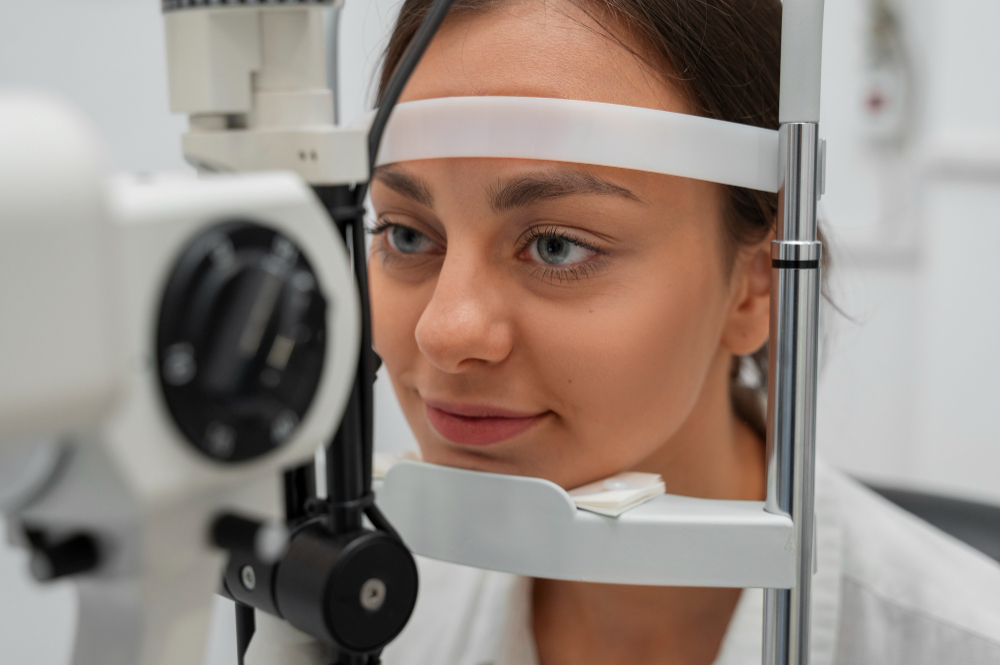
If you notice vision problems at night, you should see an eye doctor. First, the doctor will ask about your symptoms and health history. Next, they will do a full eye exam. This may include:
After these tests, the doctor can find the cause of your night blindness and suggest the best treatment.
Treatment Options for Night Blindness
Treatment for night blindness depends on its cause. For example, if a vitamin A deficiency is the problem, your doctor may suggest vitamin supplements or a diet rich in vitamin A. If cataracts are the cause, surgery to remove the cloudy lens can help. In some cases, treating diabetes or changing medicines may improve night vision. However, for some rare eye diseases like retinitis pigmentosa, there may not be a cure. Still, your doctor can help you manage symptoms and protect your eye health.
Tips for Living with Night Blindness
Even though night blindness can be challenging, there are ways to make life easier. Here are some helpful tips:
With these steps, you can stay safe and comfortable in low-light settings.
Preventing Night Blindness
While not all cases can be prevented, you can lower your risk with healthy habits. For instance, eat foods rich in vitamin A, such as carrots, sweet potatoes, and leafy greens. Also, get regular eye check-ups to catch problems early. If you have diabetes or other health issues, keep them under control. Finally, protect your eyes from injury and avoid smoking, as it can harm eye health.
If you experience symptoms of night blindness, consult Dr. Shubhrat Misurya for personalized advice. Early care can help protect your vision and improve your quality of life.