
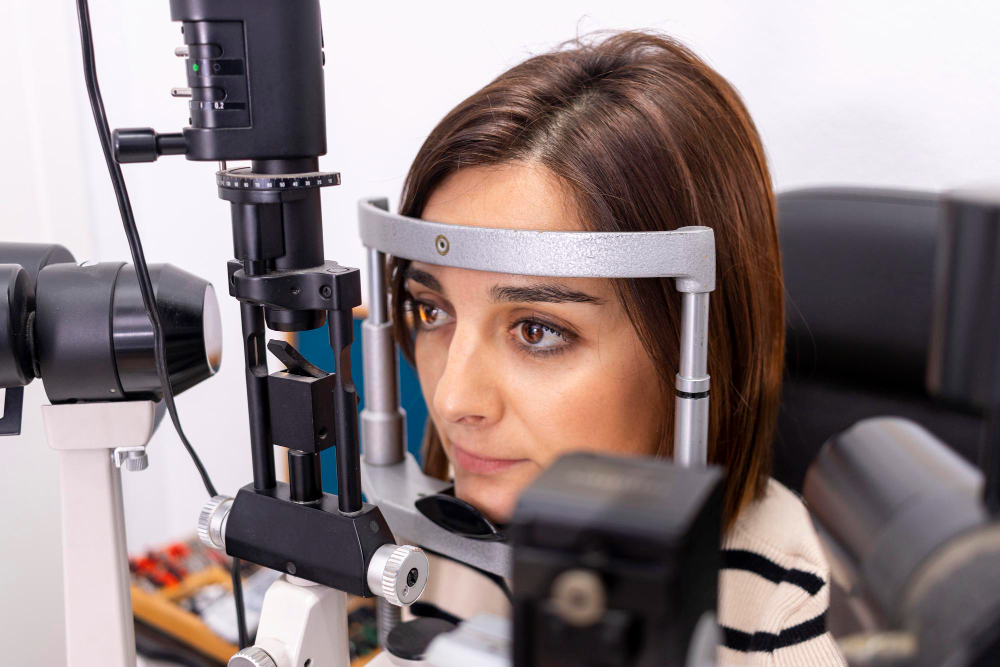
Keratoconus is an eye condition that affects the shape of the cornea. If you wonder what is keratoconus, it means the clear front part of your eye becomes thin and bulges out. This can cause blurry vision and other problems. In this blog, you will learn about keratoconus symptoms, keratoconus treatment, and how to keep your eye health strong. Understanding this condition can help you spot early signs and seek care quickly.
What is Keratoconus?
Keratoconus is a disease where the cornea, which is the clear, dome-shaped surface at the front of your eye, gets thinner and starts to bulge outward. Because of this, the cornea takes on a cone-like shape instead of staying round. As a result, light entering the eye is not focused correctly, leading to blurry or distorted vision. This condition usually starts in the teenage years or early adulthood. However, it can get worse over time if not treated.
Causes and Risk Factors
Doctors are not sure what causes keratoconus. Still, several factors may increase your risk. Knowing these can help you protect your eye health.
Additionally, some studies suggest that oxidative stress in the eye may play a role. (Source: American Academy of Ophthalmology)
Common Symptoms
Early signs of keratoconus can be mild. But as the condition progresses, symptoms may become more noticeable. Watch for these common keratoconus symptoms:
Sometimes, symptoms can get worse quickly. If you notice sudden changes, see an eye doctor right away.
How Keratoconus is Diagnosed
Doctors use several tests to diagnose keratoconus. Early diagnosis is important for better eye health. Here are some common ways doctors check for this condition:
With these tests, your eye specialist can confirm if you have keratoconus and how severe it is.
Treatment Options
Treatment for keratoconus depends on how advanced the condition is. Early stages may need only simple steps, while advanced cases may require more care. Here are common keratoconus treatment options:
Your doctor will help you choose the best treatment for your needs. According to the World Health Organization, early treatment can prevent vision loss.
Living with Keratoconus: Tips and Lifestyle Guidance
Living with keratoconus can be challenging, but there are ways to manage it. For example, you can follow these tips to protect your eyes and improve your quality of life:
With the right care, many people with keratoconus lead active, healthy lives.
Prevention and Eye Care
While you cannot always prevent keratoconus, you can take steps to protect your eye health. Here are some helpful tips:
Early detection and good habits can help keep your eyes healthy for years to come.
Conclusion: Keratoconus can affect your vision, but early care and treatment make a big difference. Consult an eye specialist at Dr. Shubhrat Misurya‘s clinic for personalized advice on keratoconus.