
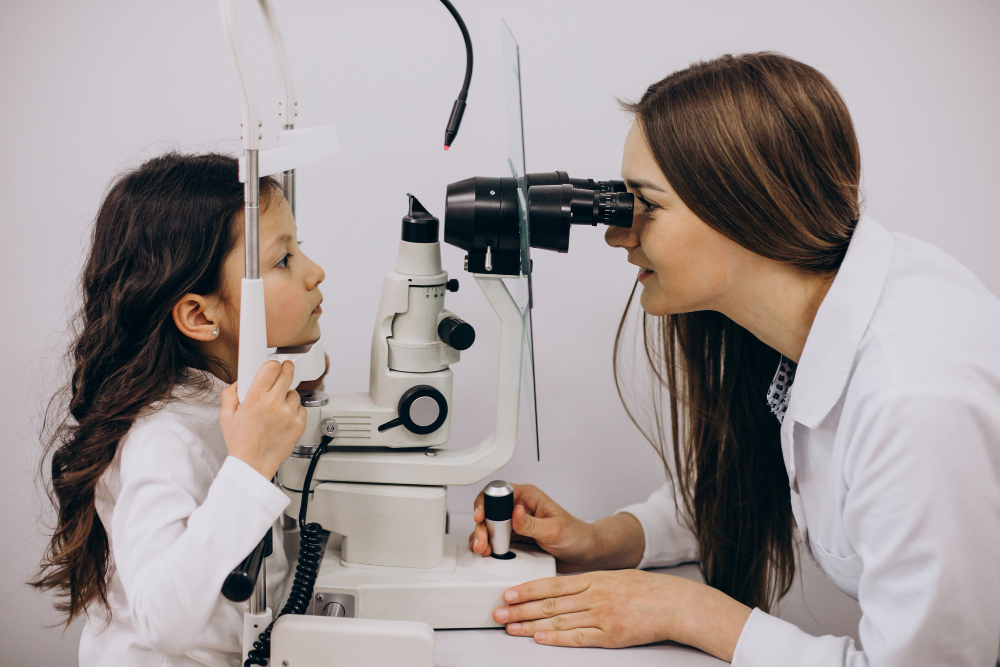
What is Amblyopia?
Amblyopia, often called “lazy eye,” is a vision problem that starts in childhood. In this condition, one eye does not develop normal vision. As a result, the brain favors the stronger eye. Over time, the weaker eye gets worse. Early treatment can help prevent lasting vision loss. According to the CDC, Amblyopia is the most common cause of vision problems in children. It affects about 2 to 3 out of every 100 kids. Because it can be hard to notice, regular eye exams are important.
Causes of Amblyopia
Several factors can lead to Amblyopia. Sometimes, the eyes do not work together as they should. Other times, one eye may have a problem that makes it harder to see. Here are the main causes:
In many cases, the exact cause is not clear. However, early detection can make a big difference.
Common Symptoms
At first, Amblyopia may not show clear signs. Still, there are some symptoms to watch for. Early signs can include:
Because children may not notice vision changes, parents and teachers should watch for these signs. Regular eye checks can help catch Amblyopia early.
How Amblyopia is Diagnosed
Eye doctors use several tests to find Amblyopia. First, they check how well each eye can see. Next, they look for signs of eye misalignment or other problems. Sometimes, doctors use special drops to help with the exam. These drops make it easier to see how the eyes focus. In addition, the doctor may use tools to measure eye movement and vision strength. Early diagnosis is key. The sooner Amblyopia is found, the better the chances for good vision.
Treatment Options
Treating Amblyopia works best when started early. However, older children and adults can still benefit from care. Common treatments include:
Doctors will choose the best treatment based on each person’s needs. Regular follow-ups are important to track progress.
Prevention and Lifestyle Tips
While not all cases of Amblyopia can be prevented, some steps can help. For example, early eye exams are very important. The American Academy of Ophthalmology suggests that children have their first eye exam before age five. Here are some tips:
With early care, many children with Amblyopia can enjoy healthy vision. If you notice any signs of Amblyopia, consult Dr. Shubhrat Misurya for personalized advice on Amblyopia. Early action can protect your child’s vision for life.