
Introduction
Have you ever noticed sudden spots or flashing lights in your vision? While seeing spots or lights can be harmless, sometimes it signals a serious problem. For many people, these changes are mild and go away quickly. However, in some cases, they can be a sign of an eye emergency. Knowing when to seek help can protect your sight. In this blog, we explain what causes these symptoms, when to worry, and what steps to take.
Common Causes of Seeing Spots or Lights
Often, seeing spots in vision or flashes of light is not dangerous. But it is important to know the common reasons why this happens. For example, you might notice:
Although these causes are common, you should always pay attention to sudden changes. Sometimes, these symptoms point to a more serious issue.
Warning Signs: When Is It an Emergency?
Sometimes, seeing spots or lights in your eyes is a sign of a medical emergency. For instance, if you notice any of the following, seek help right away:
These symptoms may mean you have a retinal detachment, bleeding in the eye, or another serious problem. Early treatment can save your sight.
How Doctors Diagnose Sudden Visual Changes
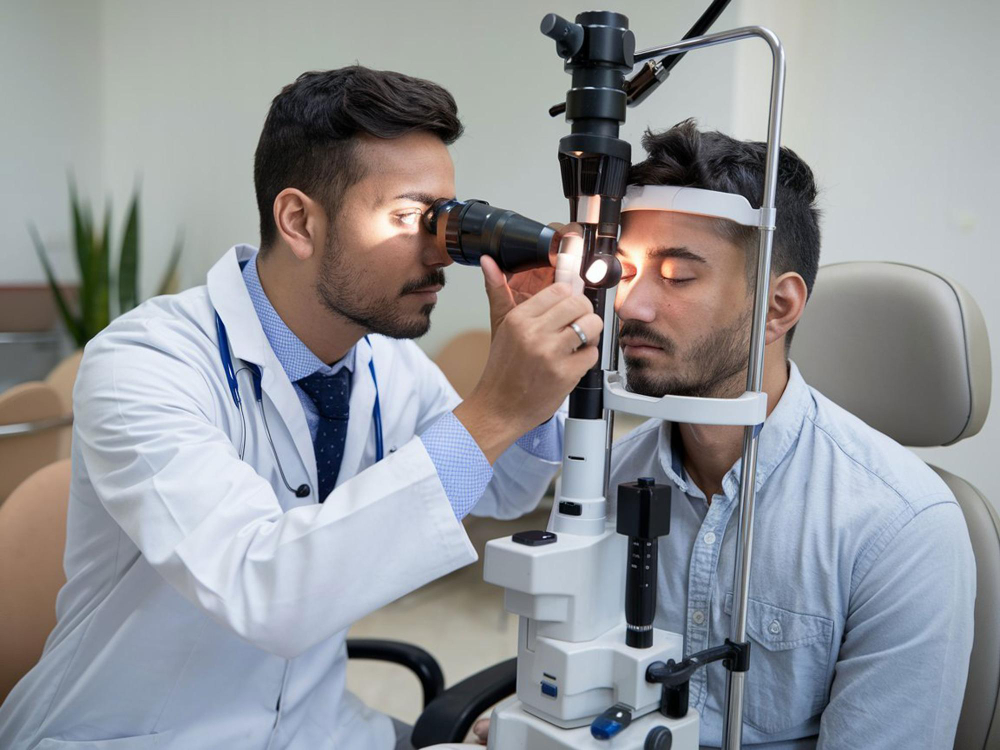
When you visit an eye doctor for sudden floaters and flashes, they will ask about your symptoms. Next, they will check your vision and look inside your eyes. Usually, doctors use special drops to widen your pupils. This helps them see the retina and other parts of the eye clearly. Sometimes, they may use imaging tests to get a better view. Because quick action is important, do not delay if you notice sudden changes.
Emergency Treatments and What to Expect
If your doctor finds a serious problem, you may need urgent treatment. For example, if you have a retinal tear or detachment, you might need laser therapy or surgery. In some cases, doctors use freezing treatments to fix the retina. If there is bleeding or infection, you may get medicine or other care. Although treatment can sound scary, acting fast gives you the best chance to keep your vision.
Prevention and Eye Health Tips
While not all eye emergencies can be prevented, you can lower your risk. For better eye health, try these tips:
Because early care is key, do not ignore new symptoms.
When to Seek Immediate Medical Help
It is important to know when to get help fast. If you notice sudden floaters and flashes, or any eye emergency symptoms, call your eye doctor or visit the nearest emergency room. In many cities, you can find eye emergency care quickly. Remember, acting early can save your sight.
If you notice sudden spots or flashing lights in your vision, consult us immediately for personalized care.