
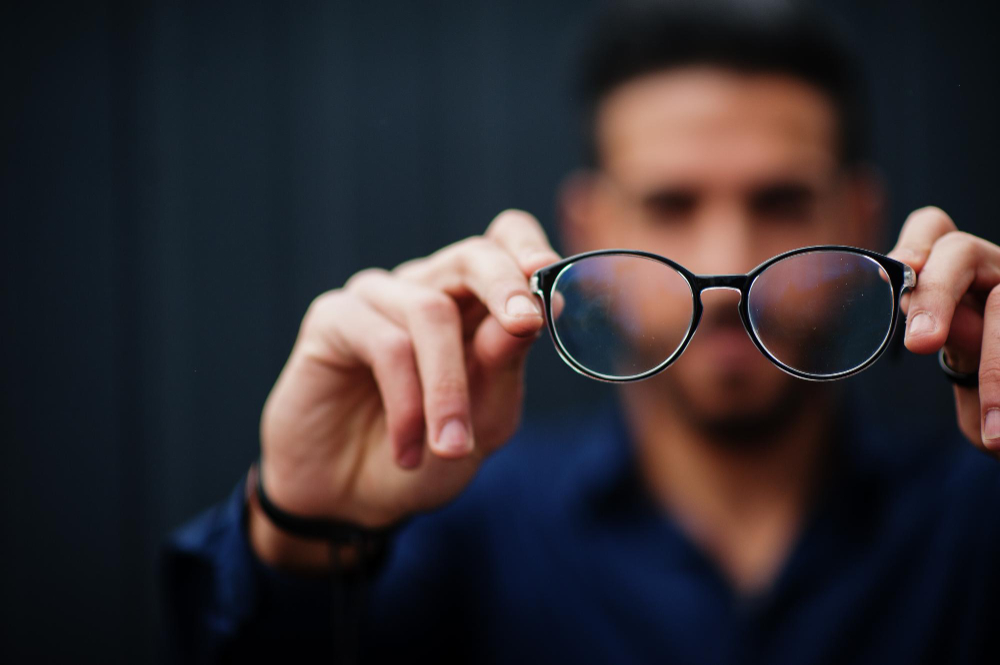
Wearing spectacles helps many people see clearly. However, the impact of poor-quality spectacles on vision can be serious. While good eyeglasses protect your eye health, cheap or poorly made ones may cause problems. In this blog, you will learn about the risks, symptoms, and how to choose quality spectacles. Understanding these points can help you avoid vision problems and keep your eyes healthy.
Common Symptoms Caused by Poor-Quality Spectacles
Many people notice symptoms soon after using poor-quality spectacles. For example, you may feel discomfort or see changes in your vision. Below are common symptoms of bad spectacles:
Because these symptoms can affect daily life, it is important to notice them early. If you experience any of these, consider checking your spectacles.
How Poor-Quality Spectacles Affect Eye Health
Poor-quality spectacles can harm your eyes in several ways. In the short term, you may feel tired or have trouble focusing. For instance, you might squint more often or rub your eyes. Over time, these problems can get worse.
Moreover, long-term use of bad spectacles may lead to:
Additionally, children and older adults are more at risk. Their eyes may change quickly, so using the wrong spectacles can slow learning or cause falls. Therefore, always pay attention to how your eyes feel when wearing new glasses.
Causes of Poor-Quality Spectacles
There are several reasons why spectacles may be poor in quality. First, an incorrect prescription can cause vision problems. If the lenses do not match your needs, you will not see clearly.
Second, substandard materials can make spectacles break easily. For example, cheap frames may bend or snap. Also, poor lens coatings can scratch or peel, making it hard to see.
Because of these factors, buying spectacles from trusted sources is important. Always check for quality and fit before using them daily.
Prevention and Choosing the Right Spectacles
Choosing quality spectacles can protect your vision. Here are some tips to help you avoid common mistakes:
By following these steps, you can lower the risks linked to cheap eyeglasses. In addition, you will enjoy better comfort and clearer vision.
When to Consult an Eye Specialist
Sometimes, problems with spectacles need expert help. For example, if you notice sudden changes in your vision, do not wait. Also, if headaches, eye pain, or blurred vision continue, see an eye specialist.
Regular eye exams are important for everyone. They help catch problems early and keep your eyes healthy. Moreover, children and older adults should have their eyes checked more often. Early action can prevent long-term damage.
Conclusion
In summary, the impact of poor-quality spectacles on vision can be serious. Symptoms like headaches, eye strain, and blurred vision may signal a problem. Therefore, always choose quality spectacles and have regular eye exams. Consult an eye specialist Dr.Shubhrat Misurya for personalized advice and to ensure your vision is protected.