
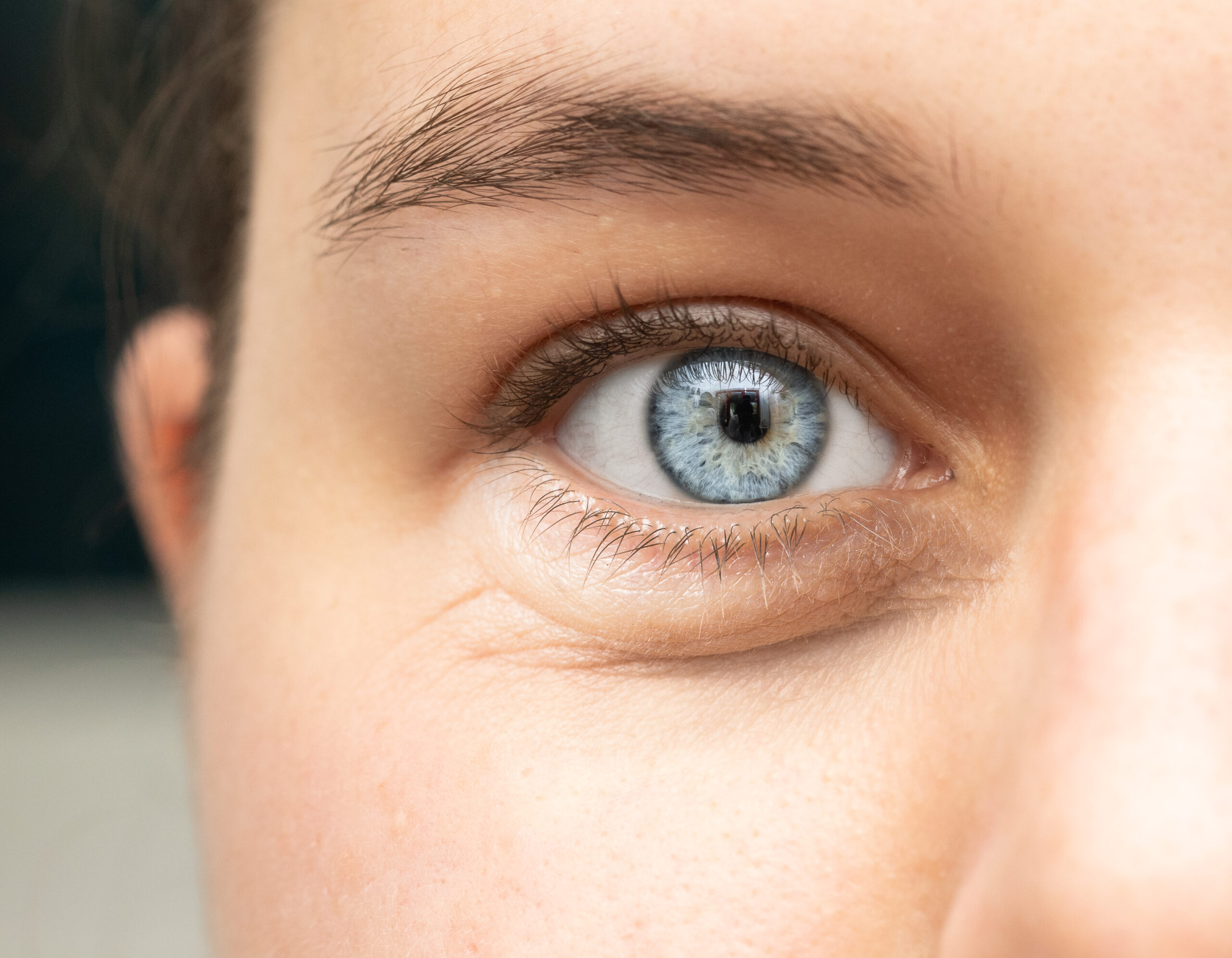
What is Blepharitis?
Blepharitis is a common eye condition. It causes chronic eyelid inflammation and crusty lashes. Many people experience red, swollen eyelids and discomfort. Because blepharitis often returns, it is considered a long-term issue. However, with the right care, you can manage symptoms at home. This blog will guide you through blepharitis home remedies and tips for relief.
Common Symptoms of Blepharitis
Blepharitis can affect people of all ages. Often, symptoms are mild at first. Over time, they may become more noticeable. For example, you might see flakes or crusts on your eyelashes. Other common signs include:
Sometimes, symptoms can come and go. But with regular care, you can reduce discomfort.
Causes and Risk Factors
There are several reasons why blepharitis develops. Often, it is linked to bacteria on the skin. Sometimes, skin conditions like dandruff or rosacea can play a role. In addition, blocked oil glands in the eyelids may cause problems. Here are some common risk factors:
Because these factors can increase your risk, it is important to keep your eyelids clean.
How Blepharitis is Diagnosed
Doctors diagnose blepharitis by looking at your eyelids and lashes. Usually, an eye care specialist will use a light and magnifier. Sometimes, they may gently scrape a bit of crust from your eyelid. This helps check for bacteria or other causes. Most of the time, no special tests are needed. However, if symptoms are severe, your doctor may look for other eye problems.
Home Management and Treatment Tips
Managing blepharitis at home is possible for many people. With daily care, you can ease symptoms and prevent flare-ups. Here are some effective blepharitis home remedies:
In addition, some people find relief by using artificial tears. These drops can help soothe dry or irritated eyes. Always follow your doctor’s advice for any medicines or ointments.
Preventing Blepharitis Flare-Ups
Although blepharitis can return, you can take steps to lower your risk. For example, keep your eyelids clean every day. Even when symptoms improve, daily care is important. Here are some prevention tips:
Because prevention is key, make eyelid care part of your daily routine.
When to See an Eye Specialist
Most cases of blepharitis can be managed at home. However, you should see an eye care specialist if:
Sometimes, other eye problems can look like blepharitis. Therefore, it is important to get a proper diagnosis. Early treatment can help prevent complications.
Consult Shubhrat Misurya for personalized advice on managing blepharitis.