
What Is a Chalazion?
A chalazion is a small, painless bump that forms on your eyelid. It happens when a tiny oil gland in the eyelid gets blocked. Because of this blockage, oil builds up and causes swelling. Many people confuse a chalazion with a stye, but they are different. While a stye is usually painful and red, a chalazion is often painless and grows slowly. According to the American Academy of Ophthalmology, chalazion is a common eyelid problem.
Common Symptoms of Chalazion
Chalazion symptoms can vary from person to person. However, most people notice a lump on their eyelid. Sometimes, the area may feel tender or swollen. In some cases, the eyelid may look red. Although pain is rare, it can happen if the bump gets infected. If the chalazion is large, it may press on the eye and blur your vision. Here are some common signs:
Main Causes and Risk Factors
Chalazion forms when an oil gland in the eyelid gets blocked. This blockage can happen for several reasons. For example, touching your eyes with dirty hands can increase your risk. People with certain skin conditions, like rosacea or seborrheic dermatitis, are also more likely to get a chalazion. In addition, if you have had a chalazion before, you may get another one. Here are some common causes and risk factors:
How Is Chalazion Diagnosed?
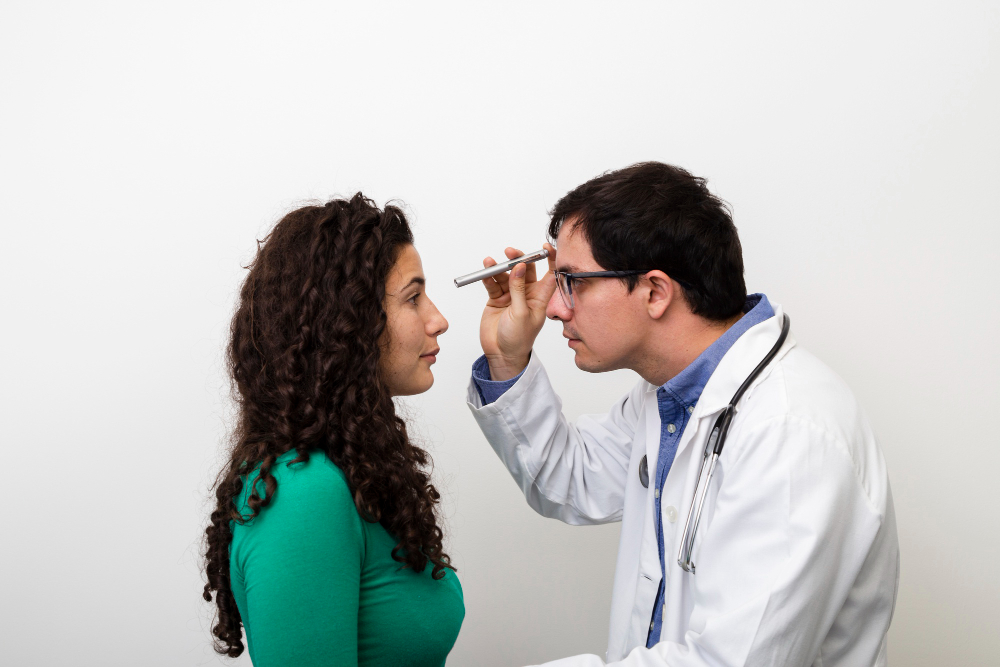
Doctors can usually diagnose a chalazion by looking at your eyelid. They may ask about your symptoms and medical history. In most cases, no special tests are needed. However, if the bump does not go away or looks unusual, your doctor may suggest more tests. Sometimes, a biopsy is done to rule out other problems. According to the American Academy of Ophthalmology, early diagnosis helps prevent complications.
Treatment Options for Chalazion
Most chalazion cases get better on their own within a few weeks. Still, there are ways to speed up healing and reduce discomfort. Here are some common treatment options:
Home Care Tips
Medical Treatments
According to the American Academy of Ophthalmology and peer-reviewed journals, most people recover fully with simple care.
Prevention Tips and Lifestyle Guidance
While you cannot always prevent a chalazion, good eyelid care can lower your risk. For example, always wash your hands before touching your eyes. In addition, remove makeup before sleeping. If you have skin conditions, follow your doctor’s advice to control them. Here are some helpful tips:
When to See an Eye Specialist
Most chalazion cases are mild and heal at home. However, you should see an eye specialist if:
Early treatment can prevent problems and protect your vision. According to the CDC, prompt care is important for any eye issue that does not heal quickly.
Conclusion
Chalazion is a common eyelid problem that often heals with simple care. However, if you notice symptoms or have concerns, do not wait. Consult Dr. Shubhrat Misurya for personalized advice on chalazion management.