
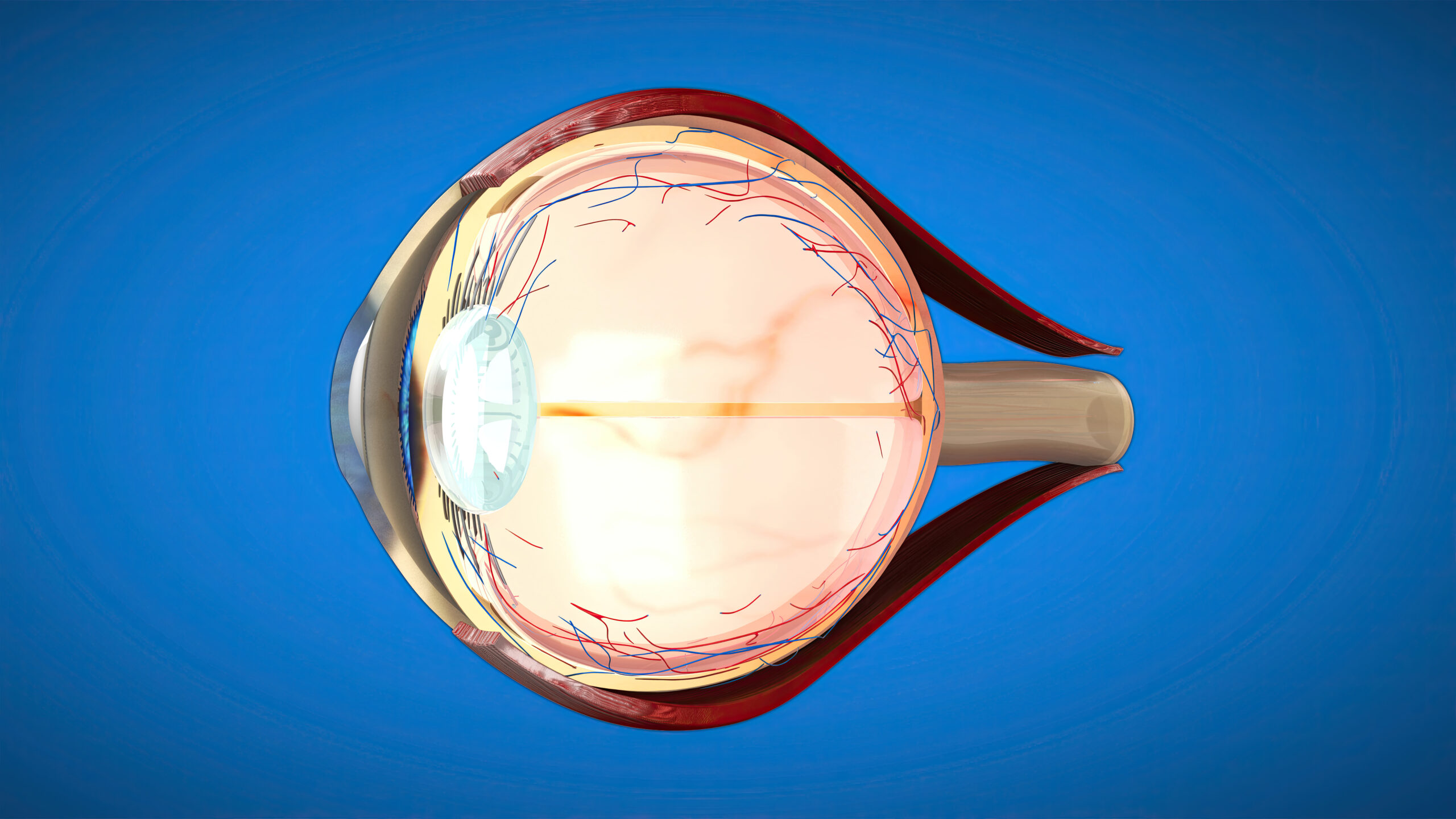
What is Optic Neuritis?
Optic neuritis is a condition where the optic nerve becomes inflamed. The optic nerve sends visual information from your eyes to your brain. When it is swollen, your vision can change. Often, optic neuritis affects one eye, but sometimes both eyes are involved. Because the optic nerve is so important, any inflammation can lead to vision loss or blurry vision. According to the National Eye Institute, optic neuritis is a leading cause of sudden vision changes in young adults.
Common Symptoms
Symptoms of optic neuritis can appear suddenly. However, some people may notice changes over a few days. Common signs include:
Sometimes, symptoms get worse with heat or exercise. For example, you might notice more vision problems after a hot shower or workout.
Causes and Risk Factors
Many things can cause optic neuritis. In most cases, the body’s immune system attacks the optic nerve by mistake. This is called an autoimmune reaction. Some common causes and risk factors include:
Although anyone can get optic neuritis, it is more common in people with a family history of autoimmune diseases.
How Optic Neuritis is Diagnosed
Doctors use several tests to diagnose optic neuritis. First, they will ask about your symptoms and check your vision. Next, they may use special tools to look at the back of your eye. Some common tests include:
Because optic neuritis can be linked to other health problems, your doctor may suggest more tests if needed.
Treatment Options
Most people with optic neuritis recover their vision over time. However, treatment can help speed up healing and reduce the risk of future problems. Common treatments include:
In rare cases, if vision does not improve, other treatments may be needed. For example, plasma exchange therapy may be used for severe cases. According to the Mayo Clinic, most people start to see improvement within a few weeks.
Prevention and Lifestyle Tips
While you cannot always prevent optic neuritis, some steps may help protect your eye health. For instance, you can:
Additionally, staying active and avoiding smoking can support overall nerve health.
When to See a Doctor
If you notice sudden changes in your vision, do not wait. For example, if you have eye pain, blurry vision, or loss of color vision, see an eye specialist right away. Early treatment can help prevent lasting vision loss. Even if symptoms seem mild, it is better to get checked. According to the CDC, prompt care is key for the best outcome.
In summary, optic neuritis is a serious condition that can affect your vision. However, with early diagnosis and treatment, most people recover well. If you notice any changes in your vision, consult an eye specialist Dr. Shubhrat Misurya for personalized advice.