
What Is Presbyopia?
Presbyopia is a common eye condition that affects people as they age. It makes it hard to see things up close. Usually, presbyopia starts to show up after age 40. Because the eye’s lens becomes less flexible, focusing on nearby objects becomes difficult. This age-related vision change is natural and happens to almost everyone. If you notice blurry vision when reading or using your phone, presbyopia may be the cause.
Causes and Risk Factors
Presbyopia happens because the lens inside your eye slowly hardens over time. As a result, the lens cannot change shape as easily. This makes it tough to focus on close objects. While aging is the main cause, some factors can increase your risk:
However, everyone will likely develop presbyopia at some point. Even if you have never needed glasses before, you may still get presbyopia.
Common Symptoms and How to Recognize Them
Presbyopia symptoms often appear slowly. But, you may notice these signs:
For example, you might find yourself squinting or needing brighter light to read. If these symptoms sound familiar, presbyopia could be the reason.
Diagnosis: How Presbyopia Is Identified
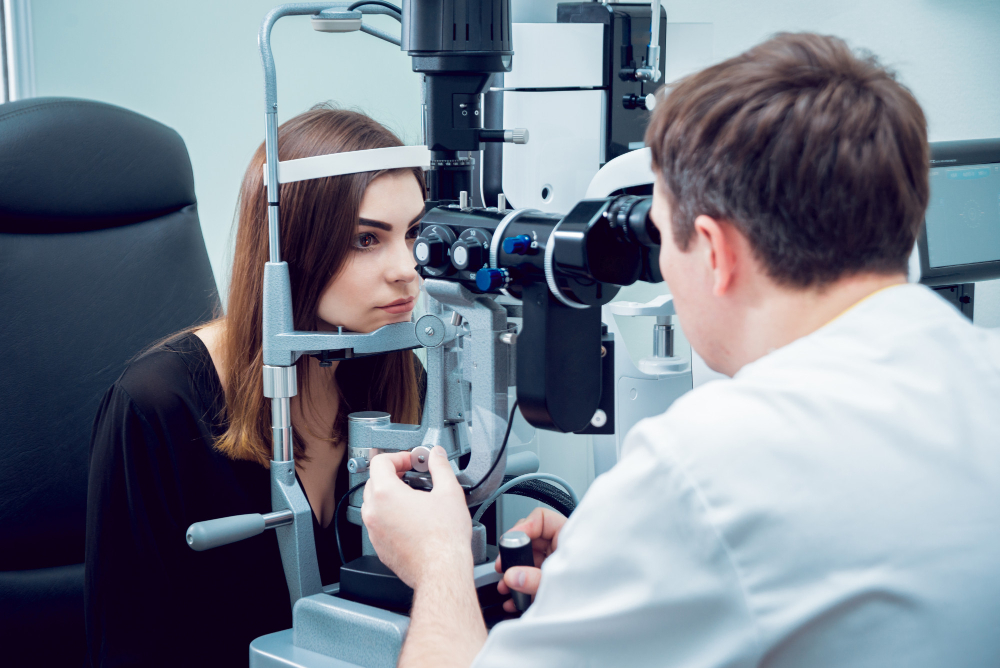
Eye care professionals, such as ophthalmologists or optometrists, can diagnose presbyopia. First, they will ask about your symptoms. Then, they will perform a simple eye exam. During the exam, you may read letters on a chart or look at objects up close. Sometimes, the doctor will use special drops to check your eye health. After the exam, your doctor can confirm if you have presbyopia. According to the CDC, regular eye exams help catch vision changes early.
Treatment Options for Presbyopia
There are several ways to correct presbyopia. Your eye doctor will help you choose the best option. Common treatments include:
For those seeking presbyopia correction in their city, many clinics offer a range of treatments. Always discuss your options with a qualified eye care provider.
Prevention Tips and Eye Health Maintenance
While you cannot prevent presbyopia, you can keep your eyes healthy. Try these tips:
Additionally, staying active and not smoking can support eye health. The World Health Organization recommends regular check-ups for early detection of vision problems.
When to See an Ophthalmologist
If you notice sudden vision changes, eye pain, or flashes of light, see an ophthalmologist right away. Also, if your reading glasses no longer help, it is time for an eye exam. Early diagnosis and treatment can prevent further problems. Remember, regular visits to an eye care professional are key to managing presbyopia and other age-related vision changes.
For personalized advice on managing presbyopia, consult Dr. Shubhrat Misurya, an ophthalmologist. They can help you find the best solution for your vision needs.