
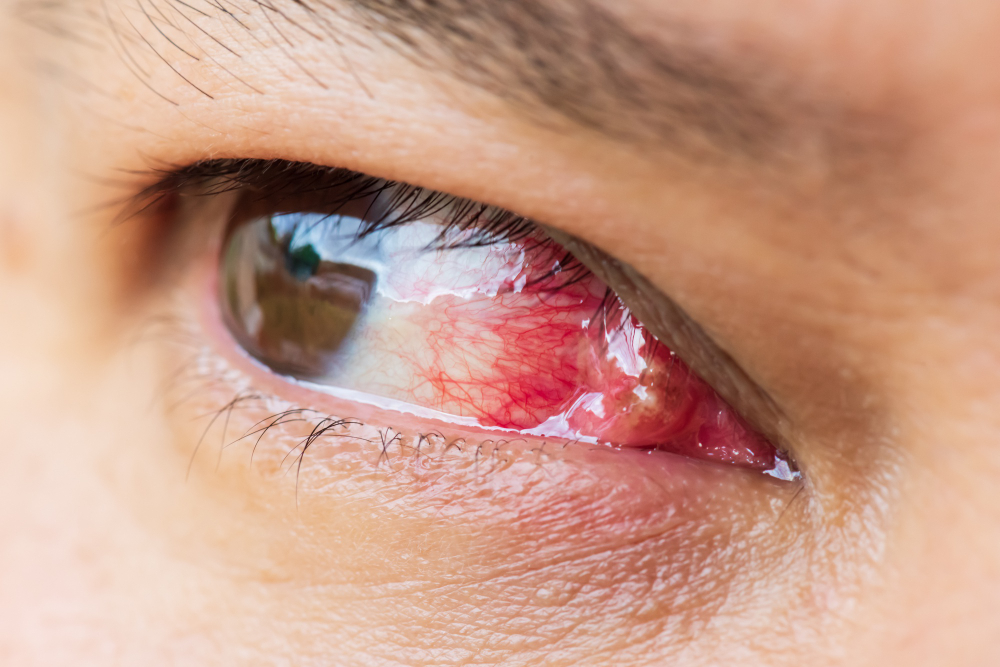
Pterygium is a common eye growth that can affect people of all ages. This condition appears as a raised, fleshy spot on the white part of the eye. Although it is usually not dangerous, pterygium can cause discomfort and vision problems. In this blog, you will learn about pterygium symptoms, causes, diagnosis, and pterygium treatment options. You will also find tips on how to prevent pterygium and protect your eyes.
What Is Pterygium?
Pterygium is a non-cancerous growth on the clear tissue (conjunctiva) that covers the white part of your eye. Often, it starts near the nose and grows toward the center of the eye. Sometimes, it can reach the cornea, which is the clear front part of the eye. While pterygium is not usually serious, it can cause redness, irritation, or even affect your vision if it grows too large.
Causes of Pterygium
Many factors can increase your risk of developing pterygium. However, the main causes are linked to the environment and lifestyle. Here are some common causes and risk factors:
Because UV light is a major cause, people who live near the equator or spend a lot of time outdoors are more likely to get pterygium.
Symptoms of Pterygium
Pterygium symptoms can vary from mild to bothersome. Some people may not notice any symptoms at first. However, as the growth gets larger, you might experience:
Sometimes, symptoms get worse with sun, wind, or dust exposure.
How Is Pterygium Diagnosed?
Doctors can usually diagnose pterygium during a simple eye exam. First, they will look at your eyes with a special light and magnifier. Sometimes, they may use eye drops to make the exam easier. If needed, your doctor might check your vision or use special tools to see how much the growth affects your eye. Rarely, if the growth looks unusual, a small sample may be tested to rule out other problems.
Treatment Options for Pterygium
Not all pterygium cases need treatment. If your symptoms are mild, your doctor may suggest simple steps to ease discomfort. However, if the growth is large or affects your vision, treatment may be needed. Here are common pterygium treatment options:
After surgery, you may need to use eye drops and protect your eyes from sunlight. Most people recover well, but regular check-ups are important.
Prevention and Lifestyle Tips
Although you cannot always prevent pterygium, you can lower your risk with some simple steps. For example, protecting your eyes from the sun is very important. Here are some tips:
By following these tips, you can help keep your eyes healthy and lower your risk of pterygium.
When to See an Eye Specialist
It is important to see an eye specialist if you notice any changes in your eyes. For instance, if you see a new growth, have ongoing redness, or feel discomfort, make an appointment. Also, if your vision becomes blurry or you have trouble seeing, seek help right away. Early care can prevent problems and keep your eyes healthy.
Frequently Asked Questions About Pterygium
Conclusion
Pterygium is a common eye growth that can cause discomfort and vision problems. While it is not usually dangerous, early care and protection are important. If you notice any symptoms of pterygium, consult Dr. Shubhrat Misurya for personalized advice and treatment. His expertise will help you manage the condition and protect your eye health.