
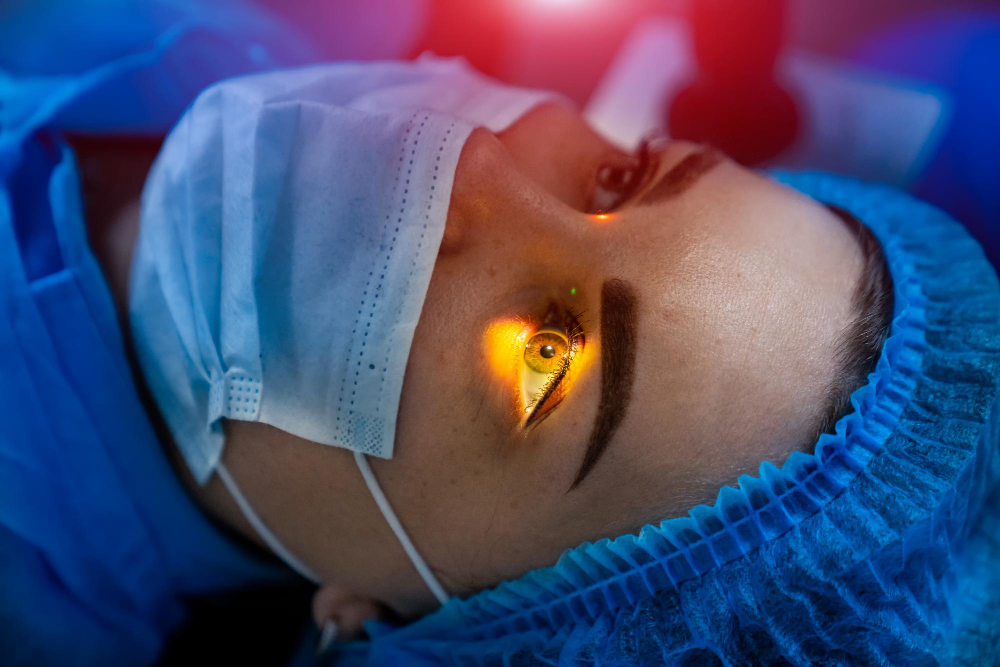
What is Squint Surgery?
Squint surgery is a procedure to correct eyes that do not look in the same direction. Doctors also call this condition strabismus. During squint surgery, the eye muscles are adjusted to help both eyes point the same way. As a result, vision and appearance can improve. Many people choose squint surgery to fix double vision or to help their eyes look straight.
Who Needs Squint Surgery?
Not everyone with a squint needs surgery. However, some people benefit from this treatment. Usually, doctors suggest squint surgery if:
Children and adults can both need squint surgery. Sometimes, early treatment helps prevent long-term problems. If you are unsure, ask your eye doctor for advice.
How is Squint Surgery Performed?
Doctors perform squint surgery in a hospital or clinic. First, you will get anesthesia so you do not feel pain. Next, the surgeon makes a small cut on the surface of the eye. Then, the eye muscles are moved or shortened to help the eyes line up. Usually, the surgery takes less than an hour. After the operation, you can often go home the same day. For children, parents may stay with them during recovery.
Benefits of Squint Surgery
Squint surgery offers many benefits. For example, it can:
Because of these benefits, many people choose squint surgery for strabismus correction. In addition, some people notice better depth perception after the procedure.
Recovery and Aftercare
After squint surgery, recovery is usually quick. Most people feel mild discomfort or redness for a few days. To help healing, follow your doctor’s advice. For example:
Usually, people return to normal activities within a week. However, full healing may take several weeks. If you notice pain, swelling, or vision changes, contact your doctor right away. Squint surgery recovery is smoother when you follow aftercare steps closely.
Risks and Possible Complications
Like any surgery, squint surgery has some risks. Most problems are rare, but it is good to know them. Possible risks include:
However, most people recover well without serious issues. According to the World Health Organization, squint surgery is safe when done by trained eye specialists.
Frequently Asked Questions
When to Consult an Eye Specialist
If you or your child has a squint, do not wait to seek help. Early treatment can prevent vision loss and improve quality of life. If you notice double vision, eye strain, or changes in eye appearance, talk to an eye specialist at Dr. Shubhrat Misurya‘s clinic. They can explain if squint surgery or other treatments are right for you.
In summary, squint surgery is a safe and effective way to correct eye alignment. For more information or to discuss your options, consult an eye specialist at Dr. Shubhrat Misurya‘s clinic today.