
What is Retinal Detachment?
Retinal detachment is a serious eye condition. It happens when the retina, a thin layer at the back of your eye, pulls away from its normal place. Because the retina helps you see, this problem can lead to vision loss if not treated quickly. Early signs of retinal detachment are important to notice. According to the World Health Organization, quick treatment can help save your sight.
Causes of Retinal Detachment
Several factors can cause retinal detachment. Sometimes, the retina tears or develops holes. Other times, fluid builds up under the retina. Here are some common causes:
Because these causes vary, it is important to know your risk factors. If you have any, regular eye check-ups can help catch problems early.
Symptoms to Watch For
Recognizing retinal detachment symptoms early can save your vision. Although symptoms may appear suddenly, they often include:
However, not everyone has all these signs. If you notice any, seek help right away. Quick action can make a big difference.
Diagnosis Methods
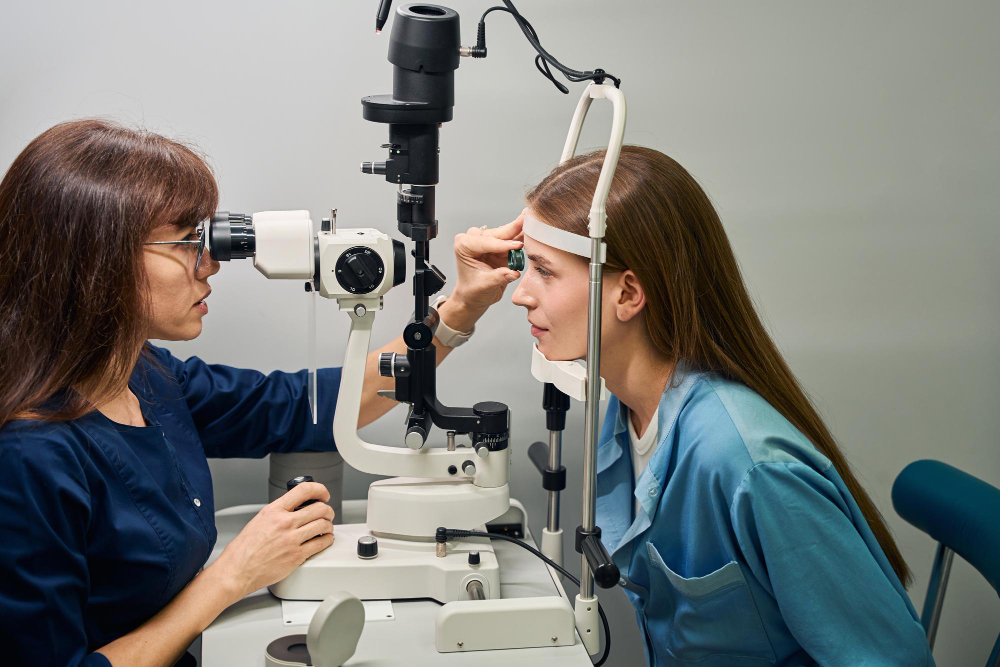
Doctors use several ways to diagnose retinal detachment. First, they will ask about your symptoms. Next, they will examine your eyes. Common tests include:
Because early diagnosis is key, regular eye exams are important, especially if you are at risk.
Treatment Options
Retinal detachment treatment depends on the type and severity. Early treatment can help restore vision. Common options include:
Because each case is different, your eye specialist will suggest the best treatment for you. Quick treatment often leads to better results.
Prevention and Lifestyle Tips
While not all cases can be prevented, you can lower your risk. Here are some tips on how to prevent retinal detachment:
Additionally, knowing your family history can help you stay alert. Early action is always best.
When to See an Eye Specialist
If you notice any signs of retinal detachment, do not wait. Even if symptoms seem minor, see an eye specialist right away. Early treatment can prevent permanent vision loss. Remember, your eyes are precious. Protecting your vision starts with quick action.
If you notice any symptoms of retinal detachment, consult Dr. Shubhrat Misurya immediately for personalized care.