
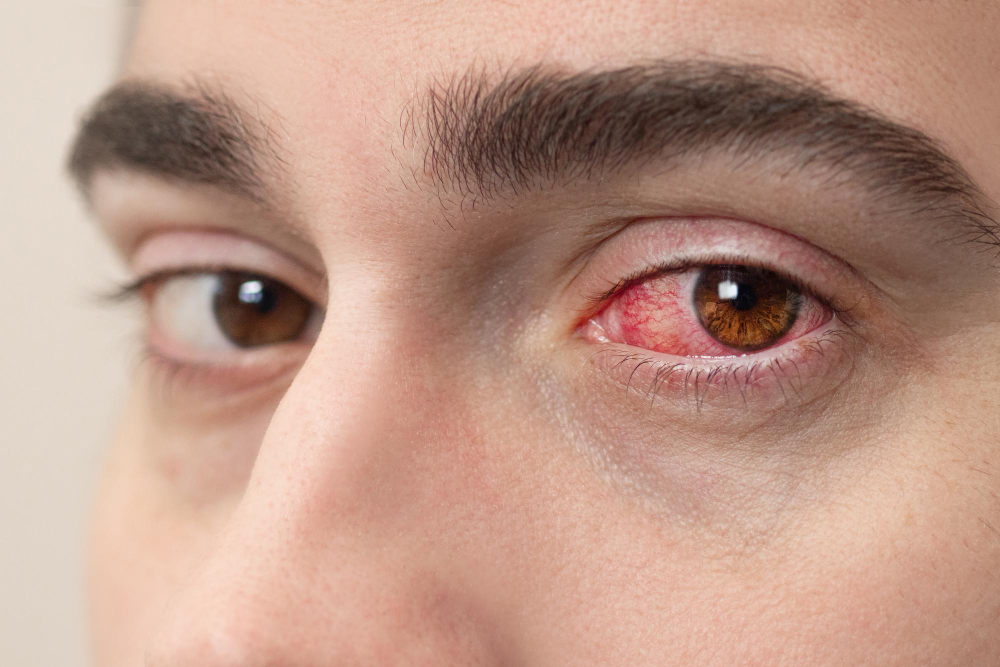
Conjunctivitis, also called pink eye, is a common eye problem. It can affect people of all ages. Because it spreads easily, knowing its symptoms and causes is important. Early treatment can help you feel better and stop the spread. In this blog, you will learn about conjunctivitis, its symptoms, causes, and how to treat pink eye safely.
What is Conjunctivitis?
Conjunctivitis is an inflammation of the thin layer covering the white part of your eye and the inside of your eyelids. This layer is called the conjunctiva. When it gets inflamed, your eye may look red or pink. That is why conjunctivitis is often called pink eye. Although it can be uncomfortable, it is usually not serious. However, it can spread quickly, especially in schools or crowded places.
Symptoms of Conjunctivitis
Conjunctivitis symptoms can appear in one or both eyes. For example, you may notice changes in how your eyes feel or look. Common pink eye symptoms include:
Because these symptoms can also occur with other eye problems, it is important to watch for changes and seek help if needed.
Causes of Conjunctivitis
There are several causes of conjunctivitis. Each type may need a different treatment. Understanding the cause helps you know how to treat pink eye and prevent spreading it to others.
Viral Conjunctivitis
Most cases of conjunctivitis are caused by viruses, such as those that cause the common cold. Viral pink eye spreads easily through coughing, sneezing, or touching the eyes. Usually, it clears up on its own within a week or two.
Bacterial Conjunctivitis
Bacteria can also cause conjunctivitis. This type often leads to a thick, yellow or green discharge. It can spread through direct contact with infected hands or objects. Sometimes, antibiotics are needed for conjunctivitis treatment.
Allergic Conjunctivitis
Allergies to pollen, dust, or pet dander can trigger conjunctivitis. This type is not contagious. However, it can cause itchy, watery eyes and swelling. Treating the allergy often helps relieve symptoms.
Other Causes
Sometimes, irritants like smoke, chlorine, or makeup can cause conjunctivitis. In these cases, removing the irritant usually helps the eye heal.
How to Treat Conjunctivitis
Treatment depends on the cause of conjunctivitis. For example, viral conjunctivitis usually gets better without medicine. However, there are steps you can take to feel better and avoid spreading it.
If you have bacterial conjunctivitis, your doctor may prescribe antibiotic eye drops or ointment. Allergic conjunctivitis can improve with allergy medicines or eye drops. But if symptoms last more than a few days, see a doctor for advice.
Prevention Tips
Because conjunctivitis spreads easily, prevention is key. Here are some simple steps to help protect yourself and others:
By following these tips, you can lower your risk of getting or spreading conjunctivitis.
When to Seek Medical Help
Although most cases of conjunctivitis are mild, sometimes you need to see a doctor. Seek medical help if you notice:
Early treatment can prevent complications and protect your vision.
In summary, conjunctivitis is common but usually mild. However, it can spread quickly. If you suspect conjunctivitis or have symptoms that last, consult Dr. Shubhrat Misurya for personalized advice.