
Introduction
Ocular hypertension means your eye pressure is higher than normal, but you can still see clearly. Even if you have no vision loss, high eye pressure is important to watch. Ocular hypertension can increase your risk of glaucoma, a serious eye disease. Because eye health depends on early detection, regular eye pressure monitoring is key. Understanding ocular hypertension, its symptoms, and risks can help you protect your vision.
What Is Ocular Hypertension?
Ocular hypertension happens when the pressure inside your eye is above the normal range. However, there is no damage to your optic nerve and no vision loss. This is different from glaucoma, where high eye pressure causes nerve damage and can lead to blindness. While ocular hypertension does not always lead to glaucoma, it is a warning sign. Therefore, it is important to monitor and manage it.
Causes and Risk Factors
Several things can cause or raise your risk for ocular hypertension. Knowing these can help you stay alert. Common causes and risk factors include:
Because some risk factors cannot be changed, regular eye exams are important.
Symptoms: Why You May Not Notice Any Changes
Ocular hypertension usually has no symptoms. Most people do not feel pain or notice any vision changes. For this reason, many people do not know they have high eye pressure. However, ignoring it can be risky. Regular eye exams are the only way to detect ocular hypertension early. Early detection helps prevent serious problems later.
Diagnosis
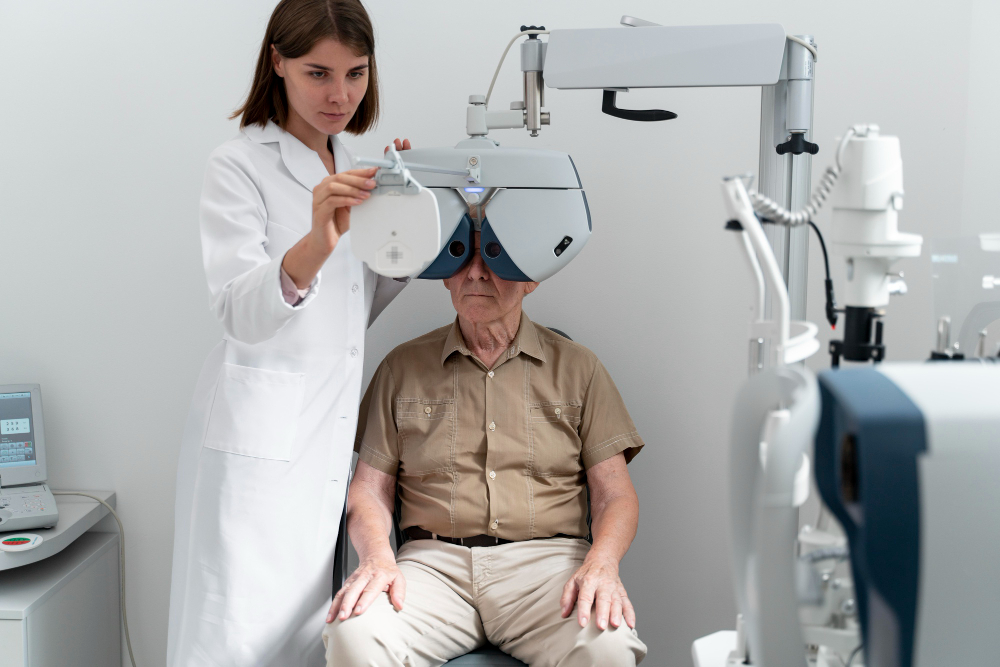
Eye doctors use special tests to check for high eye pressure. The most common test is called tonometry. This test measures the pressure inside your eye quickly and painlessly. In addition, your doctor may check your optic nerve and test your side vision. Sometimes, they will measure your cornea thickness. All these tests help your doctor decide if you have ocular hypertension or are at risk for glaucoma.
Potential Complications
If left untreated, ocular hypertension can lead to glaucoma. Glaucoma damages the optic nerve and can cause permanent vision loss. Even if you see clearly now, high eye pressure can harm your eyes over time. Therefore, ignoring ocular hypertension increases your risk of losing vision. Early treatment and regular monitoring can help prevent these problems.
Treatment and Management
Treating ocular hypertension can lower your risk of glaucoma. Your doctor may suggest:
In some cases, laser treatment or surgery may be needed. However, most people manage well with eye drops and regular checkups. Always follow your doctor’s advice for the best results.
Prevention and Eye Health Tips
While you cannot control all risk factors, you can take steps to protect your eyes. Try these tips:
Because prevention is easier than treatment, these steps can help keep your eyes healthy.
Conclusion
Ocular hypertension is a silent risk for your eyes. Even if you see clearly, high eye pressure can lead to serious problems. Therefore, regular eye exams and early treatment are important. If you have concerns about your eye pressure or eye health, consult Dr. Shubrat misurya personalized advice.