
Introduction
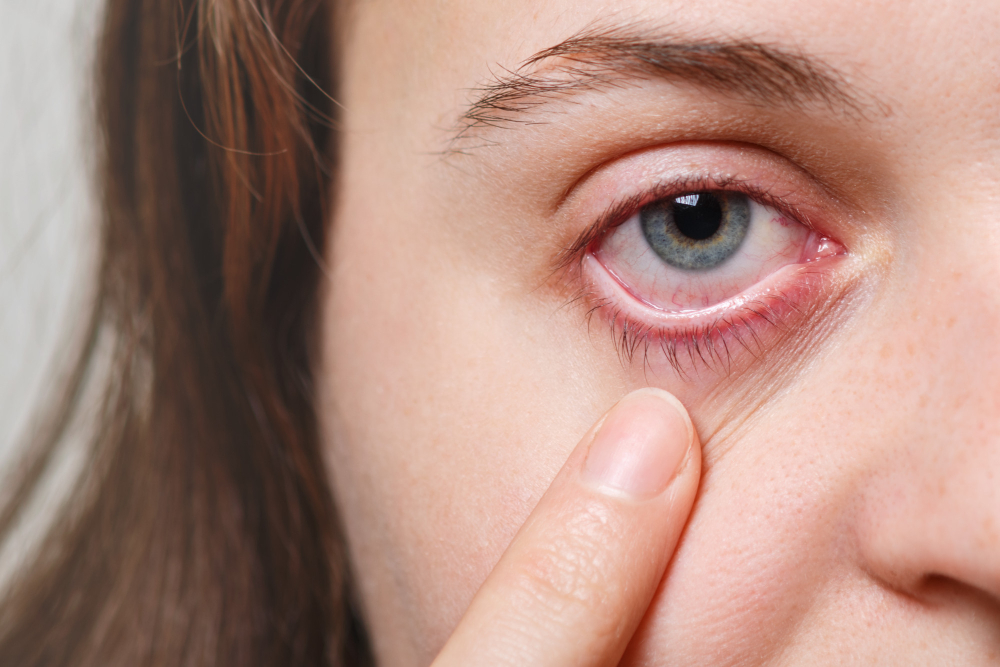
Uveitis is a type of internal eye inflammation. It affects the middle layer of the eye, called the uvea. Because uveitis can cause pain and vision problems, it is important to recognize its signs early. Often, uveitis is linked to other health problems in the body. For example, some systemic diseases can trigger this eye condition. In this blog, you will learn about the symptoms of uveitis, causes of eye inflammation, and how uveitis and systemic diseases are connected. Understanding these links can help you protect your vision and overall health.
What is Uveitis?
Uveitis means inflammation inside the eye. It affects the uvea, which is the middle part of the eye. This layer includes the iris, ciliary body, and choroid. Because the uvea supplies blood to the eye, inflammation here can be serious. Uveitis can happen in one or both eyes. Sometimes, it develops quickly, but it can also last for a long time. Early treatment is important to prevent vision loss.
Common Symptoms of Uveitis
Recognizing the symptoms of uveitis can help you seek care sooner. While symptoms may vary, many people notice changes in their vision or discomfort. For example, you might see:
However, not everyone has all these symptoms. If you notice any of these signs, it is wise to see an eye doctor right away.
Causes and Risk Factors
There are many causes of eye inflammation. Sometimes, uveitis is linked to infections. Other times, it is related to the immune system. For instance, your body may attack its own tissues by mistake. In addition, certain injuries or surgeries can trigger uveitis. Here are some common causes and risk factors:
Because uveitis can have many causes, doctors often look for underlying health problems.
How Uveitis is Diagnosed
Doctors use several steps to diagnose uveitis. First, they ask about your symptoms and medical history. Next, they examine your eyes with special lights and lenses. Sometimes, they may order blood tests or scans. For example, these tests can help find infections or autoimmune diseases. Early diagnosis helps prevent complications, so do not delay if you notice symptoms.
Treatment Options for Uveitis
Treating uveitis depends on its cause and severity. Most often, doctors use medicines to reduce inflammation. For example, you may need:
In some cases, you might need injections or surgery. However, regular follow-up is important to monitor your progress. Always take medicines as prescribed and report any side effects.
Uveitis and Its Link to Systemic Health
Uveitis is not just an eye problem. Often, it signals issues in other parts of the body. For instance, diseases like sarcoidosis, ankylosing spondylitis, or Crohn’s disease can cause uveitis. Because of this, doctors may check for these conditions if you have uveitis. According to the World Health Organization, about 30% of uveitis cases are linked to systemic diseases. Therefore, treating the underlying health problem can help control eye inflammation. If you have a known autoimmune disease, regular eye checks are important.
Prevention and Lifestyle Tips
While not all cases of uveitis can be prevented, some steps may lower your risk. For example, you can:
In addition, eating a balanced diet and staying active can support your overall health. If you notice any changes in your vision, seek medical advice quickly.
Conclusion
In summary, uveitis is a serious form of internal eye inflammation. It can affect your vision and may signal other health problems. Because early detection and treatment are key, do not ignore symptoms. Consult Dr. Shubhrat Misurya, an eye specialist, for personalized advice if you notice any symptoms of uveitis. Book your consultation today!