
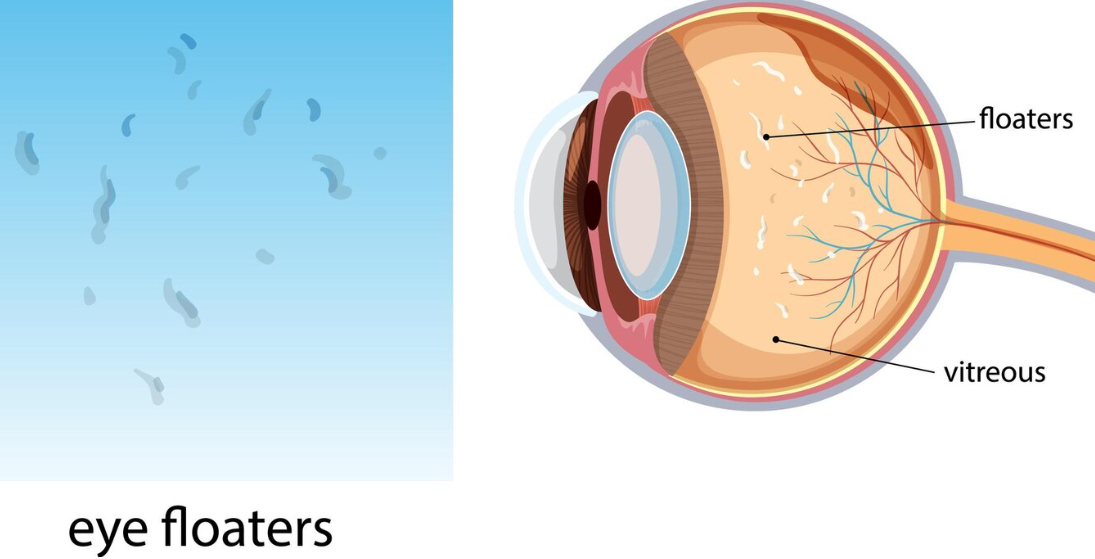
What Are Eye Floaters?
Eye floaters are small spots or shapes that drift across your vision. Often, they look like tiny dots, lines, or cobwebs. You may notice them most when looking at a bright background, like a clear sky or a white wall. Although many people experience floaters, it is important to know when they might be dangerous. Understanding eye floaters can help you protect your eye health.
Common Causes of Eye Floaters
Most eye floaters are harmless. They often appear as we age. However, several causes can lead to floaters, such as:
For many, floaters are just a normal part of aging. But sometimes, they can signal a more serious problem.
When Are Eye Floaters Dangerous?
Usually, floaters are not a cause for worry. But in some cases, they can be a sign of a dangerous eye problem. For example, a sudden increase in floaters may mean the retina is tearing or detaching. The retina is a thin layer at the back of your eye that helps you see. If it pulls away, you could lose vision quickly. Therefore, knowing when to worry about eye floaters is very important.
Warning Signs to Watch For
It is wise to pay attention to changes in your vision. Watch for these warning signs:
If you notice any of these, seek help right away. Quick action can protect your eye health and prevent vision loss.
Diagnosis and When to See a Doctor
If you have new or changing floaters, it is best to see an eye doctor. Especially if you have warning signs, do not wait. The doctor will examine your eyes with special tools. They may use drops to widen your pupils and check the retina. Early diagnosis helps treat dangerous eye floaters before they cause lasting harm. For those seeking eye care in your area, many clinics offer same-day appointments for urgent vision problems.
Treatment Options for Dangerous Eye Floaters
Most floaters do not need treatment. But if a serious problem is found, your doctor may suggest:
Each treatment depends on the cause and your eye health. Your doctor will explain the best option for you.
Prevention and Eye Health Tips
While you cannot prevent all floaters, you can take steps to keep your eyes healthy. For example:
By following these tips, you can lower your risk of dangerous eye floaters and other vision problems.
If you notice sudden or severe eye floaters, consult an eye specialist Dr. Shubhrat Misurya for personalized advice. Early care can help protect your vision for years to come.