
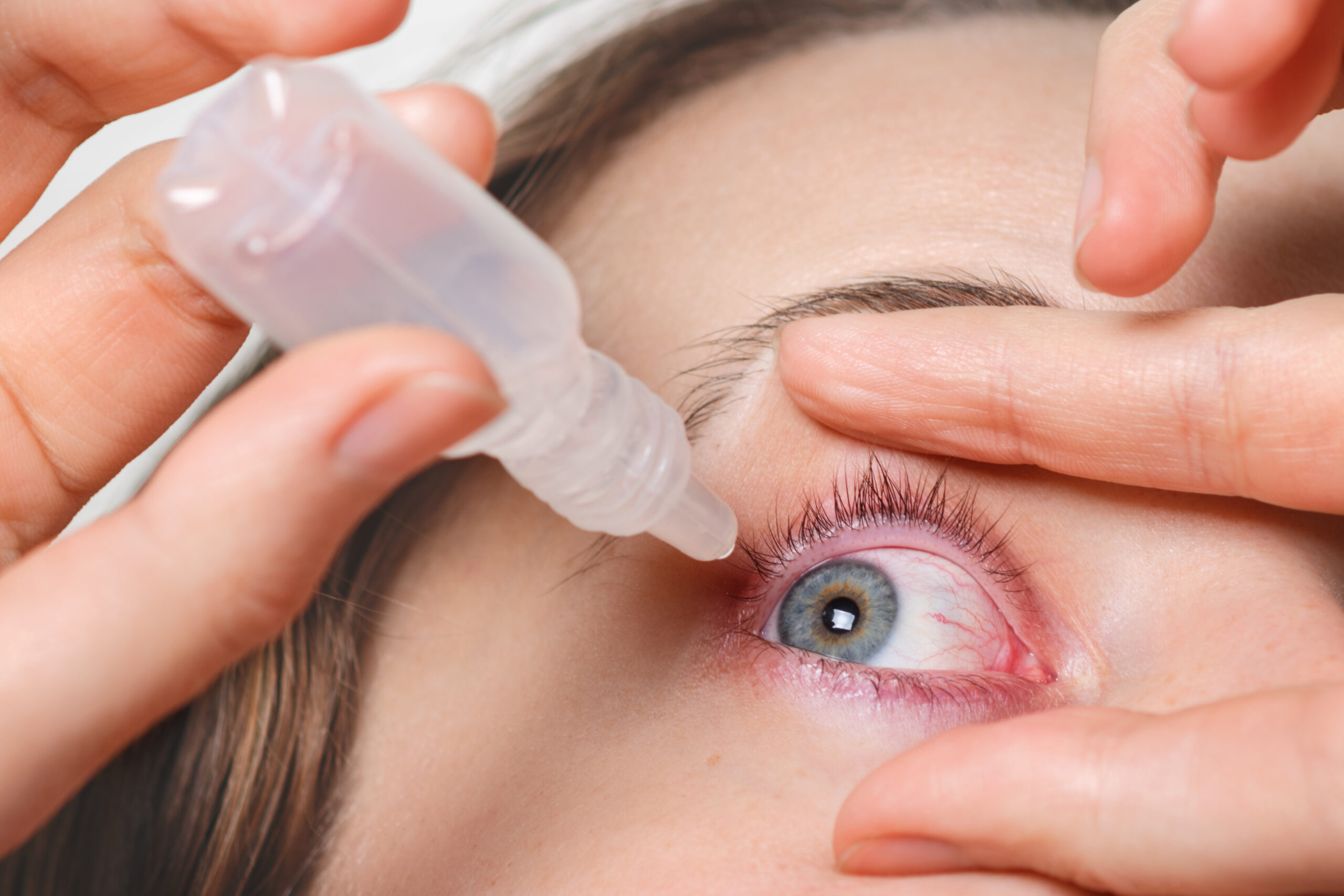
What Are Ectropion and Entropion?
Ectropion and entropion are two eyelid conditions that affect many people. In ectropion, the eyelid turns outward, away from the eye. In contrast, entropion means the eyelid turns inward, causing the lashes to rub against the eye. Both conditions can lead to discomfort and may harm your eye health if not treated. Because your eyelids protect your eyes, any change in their position can cause problems. Understanding ectropion vs. entropion helps you spot symptoms early and seek the right care.
Symptoms and Signs
Both conditions have clear signs. However, the symptoms may differ based on whether the eyelid turns outward or inward. Early detection is important for protecting eye health.
If you notice these signs, it is important to act quickly. Early treatment can prevent further eye damage.
Causes and Risk Factors
Many factors can lead to ectropion or entropion. While some causes are natural, others may result from injury or disease. Knowing these can help you protect your eyes.
For example, as people age, eyelid muscles may weaken. This makes it easier for the eyelid to turn outward or inward. In some cases, repeated infections or injuries can also increase your risk.
Diagnosis and When to See a Doctor
It is important to see an eye doctor if you notice changes in your eyelids. Early diagnosis helps prevent serious problems. Usually, doctors can diagnose ectropion or entropion with a simple eye exam. Sometimes, they may check for other eye issues or ask about your medical history.
Prompt care can protect your vision and comfort. According to the American Academy of Ophthalmology, untreated eyelid problems may lead to infections or vision loss.
Treatment Options
Treatment for ectropion and entropion depends on the cause and severity. Some cases need simple care, while others may require surgery. Your doctor will help choose the best option for you.
For many people, surgery offers a lasting solution. However, early treatment with drops or ointments can relieve symptoms and protect eye health.
Prevention and Eye Care Tips
While you cannot always prevent ectropion or entropion, some steps can lower your risk. Good eye care habits help keep your eyelids healthy.
Additionally, wearing sunglasses can shield your eyes from wind and dust. If you have a family history of eyelid problems, regular eye exams are even more important.
Impact on Daily Life
Ectropion and entropion can affect your daily activities. For instance, you may find it hard to read, drive, or spend time outdoors. Dryness, irritation, or tearing can make your eyes feel tired. However, with proper treatment, most people return to normal routines. Early care helps prevent lasting problems and keeps your vision clear.
If you are experiencing any eye-related concerns, early evaluation can help prevent complications and improve treatment outcomes.
Consult Dr Shubhrat Misurya for expert diagnosis, advanced eye care, and personalized treatment tailored to your condition.