
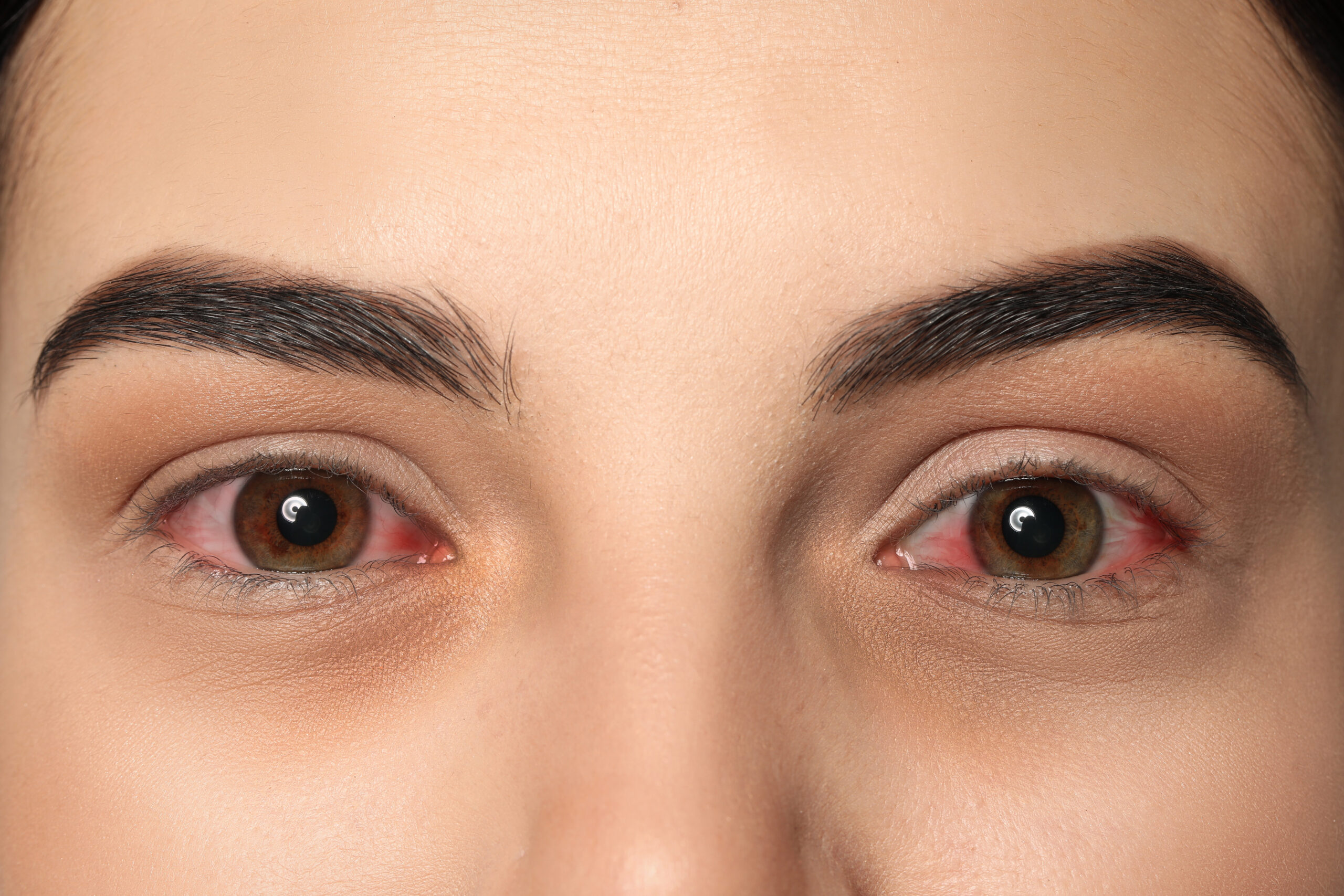
What is Ptosis (Drooping Eyelids)?
Ptosis (Drooping Eyelids) is a condition where the upper eyelid sags lower than normal. Sometimes, it can cover part of the eye. This may affect one or both eyes. For some people, ptosis is mild. However, others may find it blocks their vision. Because of this, many people seek treatment for sagging eyelids. Ptosis can happen at any age, but it is more common in older adults. Early diagnosis helps prevent further problems.
Common Causes of Ptosis
There are several causes of drooping eyelids. Some are present at birth, while others develop later. Understanding these causes can help you know when to seek help.
In rare cases, ptosis may signal a serious health issue. Therefore, it is important to get checked by a doctor.
Symptoms and When to Seek Help
Ptosis can show up in different ways. While some people notice only mild drooping, others may have trouble seeing. Here are common symptoms:
If you notice sudden drooping, or if your vision changes, seek medical help right away. Early treatment can prevent further issues.
Diagnosis of Ptosis
Doctors use several steps to diagnose ptosis. First, they will ask about your symptoms and medical history. Next, they will examine your eyes and eyelids. Sometimes, special tests are needed. For example, your doctor may check how well your eyelid muscles work. In some cases, they may order blood tests or scans to rule out other problems. Because ptosis can be linked to other health issues, a full eye exam is important.
Surgical Corrections for Sagging Eyelids
When ptosis affects vision or appearance, surgery may help. The main goal is to lift the eyelid to a normal position. There are different types of ptosis surgery. Your doctor will choose the best one for you. Here are common eyelid lift procedures:
Most surgeries are safe and done as outpatient procedures. However, as with any surgery, there are risks. Your doctor will explain the benefits and possible side effects.
Recovery and Aftercare Tips
After ptosis surgery, proper care helps healing. Here are some tips for a smooth recovery:
Most people return to normal activities within a week or two. However, swelling or bruising may last a little longer. If you notice pain, redness, or vision changes, contact your doctor right away.
Prevention and Lifestyle Guidance
While not all cases of ptosis can be prevented, some steps may help. For example, protecting your eyes from injury can lower your risk. Here are some helpful tips:
Although aging is a common cause, healthy habits can support eye health.
Frequently Asked Questions (FAQs)
Conclusion and Next Steps
Ptosis (Drooping Eyelids) can affect both appearance and vision. Because there are many causes, early diagnosis is important. Surgical corrections like ptosis surgery or eyelid lift procedures can restore normal function. With proper care, most people recover well. If you notice drooping eyelids or changes in your vision, do not wait. Consult Shubhrat Misurya for personalized advice on ptosis and treatment options.